
Forgot your retainers? Why teeth shift and how to protect your smile
You have finished braces or Invisalign®, your smile looks great, and then life happens. A weekend away, a busy term, or a lost case, and you forget your retainers. If that sounds familiar, you are not alone, and there are practical steps you can take now to protect your results.
This guide explains why teeth can move after treatment, how quickly shifting can start, what to do if a retainer feels tight or no longer fits, and how to keep your smile stable long term. We also outline retainer types, wear schedules and maintenance, plus what to expect if minor refinement is needed.
If you are worried about movement, contact us as soon as possible. Early advice from a Specialist Orthodontist can make a real difference.
Why teeth can shift after orthodontic treatment
Orthodontic treatment changes not only tooth positions but also the surrounding ligaments and bone. After braces or Invisalign®, fibres in the gums and the bite muscles need time and support to stabilise. Growth, daily chewing forces and natural ageing can all influence tooth positions, even years after treatment.
Retainers hold your teeth in their corrected positions while the tissues adapt. Without consistent wear, teeth can drift toward their original alignment or develop new minor rotations and spacing. This is why we consider retention a lifelong phase of orthodontic care.
How quickly teeth can move if you stop wearing retainers
Movement can begin surprisingly quickly. Some patients notice a slightly tighter fit after a few missed nights. Within days to weeks of not wearing retainers, small rotations or spaces can appear, especially in the lower front teeth where relapse is common.
The speed and extent of shifting varies by individual, tooth shape, bite forces and how long it has been since active treatment. The key message is simple, if you skip wear, act fast. The sooner you get back on track, the more likely you can avoid further movement.
What to do if your retainer feels tight or no longer fits
If it feels tight, try gentle, consistent wear for short periods, then increase towards your normal schedule. Do not force a cracked or warped retainer.
If it will not seat fully, stop and contact us promptly. Wearing a poor-fitting retainer can rub or cause unintended movement.
If your retainer is lost or damaged, reach out straight away so we can arrange a review and replacement.
You can email photos to info@theorthopractice.com.au or call us on (02) 9344 70 81. We aim to help quickly to prevent further shifting.
Retainer types, how they differ and typical wear schedules
There are two main categories of retainers. We will recommend the right mix for your smile and lifestyle.
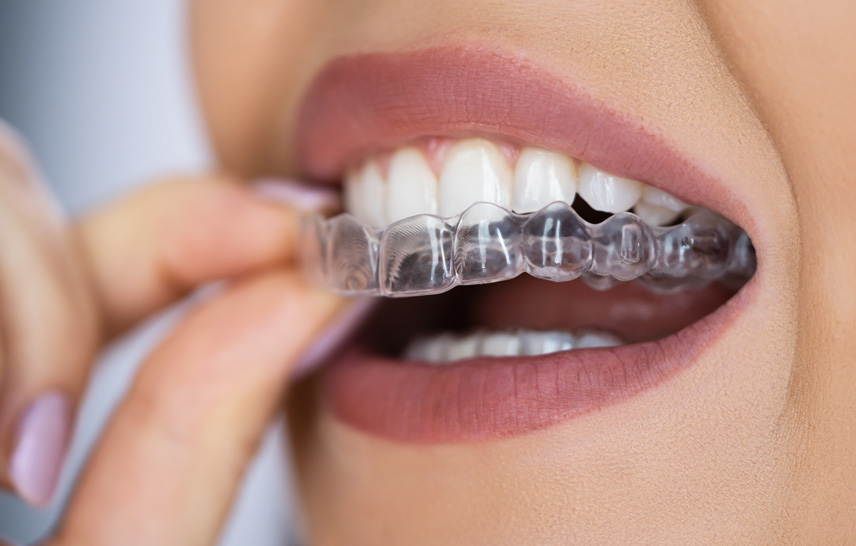
Clear removable retainers, sometimes called Essix-style or Vivera. These are custom-moulded clear trays that fit over the teeth. They are discreet, easy to wear and simple to clean. Many patients use a set for night-time wear long term, with replacements made when needed.
Fixed lingual wires. A thin wire is bonded to the inner surfaces of selected teeth, most often the lower front teeth. It provides constant support without relying on daily wear habits. A removable retainer is often provided as well for night-time use and as a backup.
Your schedule will be tailored to your case. A common pattern is full-time wear immediately after deband or finishing aligners, moving to night-time only as advised by your Specialist Orthodontist. Long term, night-time wear is typically recommended indefinitely. If you stop, even years later, teeth can shift.
Daily care and maintenance tips
Clean removable retainers daily with a soft toothbrush and cool water. Avoid hot water, it can warp the plastic. Use mild soap or approved cleaning crystals occasionally, and keep retainers in a protective case when they are not in your mouth.
For fixed wires, brush carefully along the gumline and use floss threaders or interdental brushes to keep the area clean.
If a retainer feels loose, cracks, or picks up odours despite cleaning, it may be time for a replacement. Contact us so we can assess fit and advise on the next steps.
If your teeth have already relapsed, we can help
Minor relapse is common and usually straightforward to manage. Options may include:
New or adjusted clear retainers to recapture very small shifts.
A short course of limited aligner treatment to refine alignment.
Replacement or repair of a fixed lingual wire if it has detached or distorted.
At your assessment, we will take scans and photos, discuss the most efficient solution and provide a personalised quote. Costs vary with the amount of correction needed, and we will explain your options clearly before you decide. If you are considering adult treatment or a refresh, you can also explore our information on braces for adults to see how modern options fit busy schedules.
When to replace retainers
Removable retainers do not last forever. Everyday wear, minor grinding and natural ageing of materials can change the fit. As a guide, replace them if they are cracked, warped, loose, or no longer seat comfortably. A fresh, well-fitting retainer is one of the best investments you can make in smile stability.
Why the retention phase matters as much as active treatment
Braces and Invisalign® move teeth, but retainers keep them where you want them. Retention maintains your bite, supports gum and bone adaptation, and protects the time and commitment you have already invested. Think of your retainers as your smile’s seatbelt – simple, reliable and essential each night.
Frequently asked questions
How quickly will my teeth move back if I forget my retainers?
Small changes can start within days. The longer you wait, the more movement can occur. Resume wear as soon as you can, and contact us if your retainer no longer fits comfortably.
Why is retention important after braces or Invisalign®?
Teeth and supporting tissues need ongoing support to stabilise. Retainers hold your results against chewing forces, growth and natural ageing. Without them, relapse is likely over time.
What should I do if my retainer does not fit?
Do not force it. Stop, and contact us promptly for advice. We may recommend new scans and a replacement retainer or a short refinement plan if movement has occurred.
How long do I need to wear retainers?
Plan for lifelong night-time wear. Your schedule will start more intensively, then reduce to nights only, but long-term consistency is the safest way to maintain your smile.
What types of retainers are there?
Clear removable retainers and fixed lingual wires. Many patients use a combination for added security.
Can you help if my teeth have relapsed?
Yes. We offer solutions from new retainers to limited aligner treatment. We will examine your teeth, explain options and provide a personalised quote at your consultation.
Ready to protect your results?
If you have missed time in your retainers, feel tightness, or notice small changes, early action helps. Book an assessment with a Specialist Orthodontist at The Ortho Practice for personalised advice. We have clinics in Maroubra and on the Central Coast, and our team supports patients across Sydney and nearby suburbs.
Prefer to explore clear aligner options for a touch-up? Read more about our Invisalign® treatments to see how discreet refinements can fit your routine.
We look forward to helping you keep your smile exactly where you want it.
